

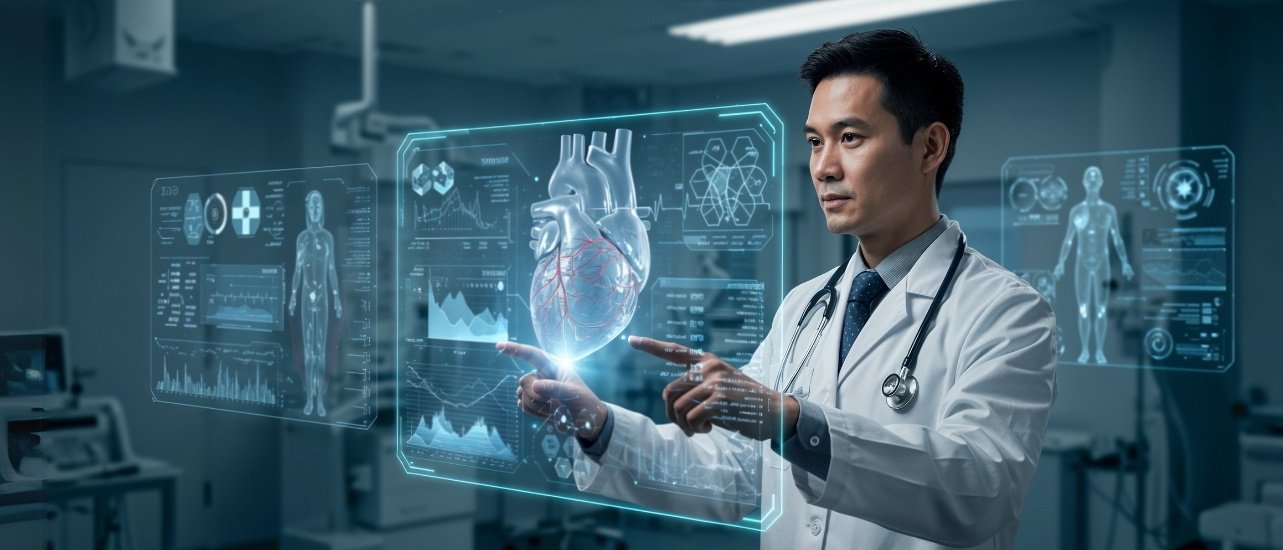
In the rapidly evolving landscape of healthcare, technology continues to play a pivotal role in transforming how care is delivered and accessed. One of the most promising innovations in this domain is the advent of smart satellite clinics. These clinics, strategically positioned in underserved and remote areas, leverage advanced technology to bridge the gap between patients and quality healthcare.
What is a Smart Satellite Clinic?
A smart satellite clinic is a healthcare facility that uses cutting-edge technology to provide medical services in locations where access to traditional hospitals and clinics may be limited. These clinics are equipped with telemedicine capabilities, advanced diagnostic tools, and electronic health records (EHR) systems, enabling them to offer a wide range of services efficiently and effectively.
Key Features of Smart Satellite Clinics
- Telemedicine: Telemedicine is the cornerstone of smart satellite clinics. Through high-speed internet and video conferencing tools, patients can consult with specialists located miles away. This not only saves time and travel costs but also ensures that patients receive timely and accurate diagnoses.
- Advanced Diagnostic Tools: These clinics are equipped with portable diagnostic devices, such as digital stethoscopes, portable X-ray machines, and ultrasound devices. These tools allow healthcare providers to conduct thorough examinations and provide accurate diagnoses without needing to transfer patients to larger medical facilities.
- Electronic Health Records (EHR): EHR systems ensure that patient information is stored securely and can be accessed quickly by authorized healthcare providers. This seamless sharing of information improves coordination of care and reduces the likelihood of medical errors.
- Remote Monitoring: Smart satellite clinics can monitor patients’ health remotely through wearable devices that track vital signs and other health metrics. This continuous monitoring helps in the early detection of potential health issues and ensures timely intervention.
- Mobile Health Units: Some smart satellite clinics include mobile units that can travel to even more remote locations. These units are equipped with essential medical supplies and telemedicine tools, extending the reach of healthcare services further.
Benefits of Smart Satellite Clinics
- Increased Access to Healthcare: By bringing medical services closer to underserved populations, smart satellite clinics make healthcare more accessible to those who need it most. This is particularly crucial in rural areas where healthcare facilities are sparse.
- Cost-Effective Care: The use of telemedicine and portable diagnostic tools reduces the need for expensive hospital visits and admissions. This not only lowers the overall cost of care but also makes it more affordable for patients.
- Improved Health Outcomes: Timely access to healthcare services and continuous monitoring lead to early detection and treatment of health issues. This proactive approach improves patient outcomes and reduces the burden of chronic diseases.
- Enhanced Patient Experience: Smart satellite clinics provide a more convenient and comfortable healthcare experience for patients. With shorter wait times and the ability to receive care closer to home, patients are more likely to seek medical attention when needed.
- Efficient Resource Utilization: These clinics optimize the use of medical resources by leveraging technology. This ensures that healthcare providers can focus on delivering high-quality care without being bogged down by administrative tasks.
Challenges and the Way Forward
While the benefits of smart satellite clinics are numerous, there are challenges to their widespread adoption. These include the need for reliable internet connectivity in remote areas, initial setup costs, and the requirement for trained personnel to operate advanced medical equipment.
To overcome these challenges, it is essential to invest in infrastructure, provide training for healthcare workers, and develop sustainable funding models. Public-private partnerships can play a crucial role in scaling up these clinics and ensuring their long-term viability.
Conclusion
Smart satellite clinics represent a significant step forward in making healthcare more accessible, affordable, and effective. By harnessing the power of technology, these clinics have the potential to transform the healthcare landscape, ensuring that quality medical services are within reach for everyone, regardless of their location. As we move towards a more connected and technologically advanced world, smart satellite clinics will undoubtedly play a pivotal role in shaping the future of healthcare.