Over the past decade, the world has faced a series of public health emergencies—SARS, H1N1, MERS, Ebola, mpox, and most notably, COVID-19. These outbreaks have not only stressed global healthcare systems but have also drawn attention to the crucial importance of proper biohazardous waste handling and disposal. With more than 13 billion vaccines administered globally and over 1.9 million peak hospitalizations reported to the World Health Organization (WHO), infection control and waste management have become inseparable priorities.
Amid these concerns—and the daily risks faced in healthcare environments, such as bloodborne pathogen exposure and needlestick injuries—proper, compliant biohazardous waste disposal is vital. It helps prevent disease transmission, protects healthcare workers, and supports overall public safety. Understanding the types of waste involved and the appropriate treatment methods is the first step toward effective management.
What Is Biohazardous Medical Waste?
Biohazardous medical waste includes any material that is contaminated—or is reasonably expected to be contaminated—with pathogens. Various regulatory agencies may use different terminology for it, such as infectious, biomedical, or regulated medical waste. Regardless of the term, this type of waste poses a risk to human health if not managed correctly.
Biohazardous waste includes:
-
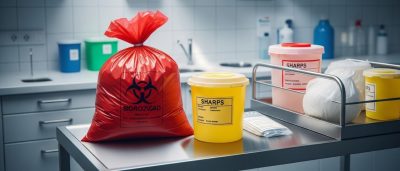
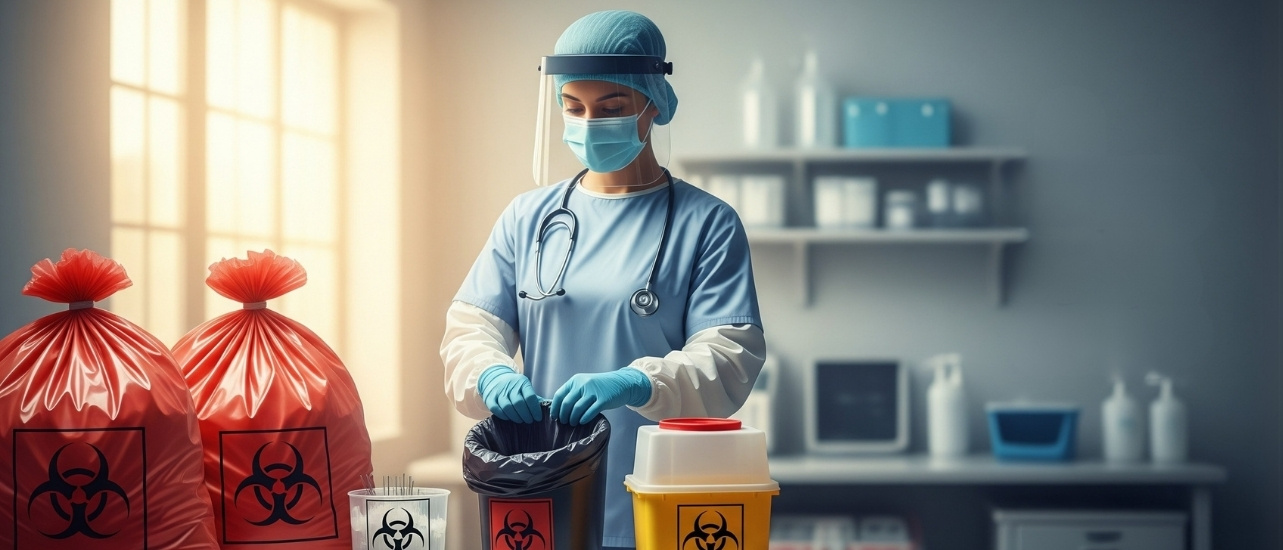
Red bag waste: Items saturated with blood or other potentially infectious materials (OPIM), including bandages, gloves, gauze, gowns, and tubing.
-
Sharps waste: Needles, scalpels, syringes, lancets, and similar items capable of puncturing skin.
-
Pathological waste: Human or animal body parts, tissues, or organs (chemical preservatives removed).
-
Trace chemotherapy waste: Empty IV bags, vials, gowns, masks, or gloves used during the administration of chemotherapy drugs.
-
Laboratory waste: Cultures, stocks, or specimens containing disease-causing agents.
Who Generates Biohazardous Waste?
Approximately 5 million tons of medical waste are generated annually in the U.S. alone. While hospitals and surgical centers are primary sources, biohazardous waste also comes from:
-
Doctors’ and dentists’ offices
-
Research laboratories
-
Veterinary clinics
-
Funeral homes
-
Tattoo parlors
Any facility that handles blood, bodily fluids, or infectious materials is likely to generate biohazardous waste.
How Is Biohazardous Waste Regulated?
Biohazardous waste disposal is governed by a layered framework of local, state, and federal regulations. Each level plays a critical role in ensuring the safe collection, treatment, and disposal of infectious materials.
-
Federal regulations are primarily enforced by OSHA (Occupational Safety and Health Administration) and the DOT (Department of Transportation). OSHA focuses on limiting exposure to bloodborne pathogens in the workplace, while the DOT regulates the proper packaging and transportation of medical waste.
-
State regulations vary and may introduce additional rules, such as including pharmaceutical or chemotherapeutic waste under the biohazardous category. Many states also require facility-specific protocols and ongoing staff training.
Compliance with both federal and state requirements is crucial to avoid penalties and ensure staff and environmental safety.
How Is Biohazardous Waste Treated?
The two most commonly used methods for treating biohazardous waste are:
-
Autoclaving: This involves sterilizing the waste using high-pressure steam. It’s effective, efficient, and widely used for items like red bag and sharps waste.
-
Incineration: Used for materials that cannot be autoclaved, such as pathological waste or trace chemotherapy items. Incineration ensures complete destruction but must be conducted under strict environmental controls.
SmartHealthTec also offers an advanced, eco-friendly alternative through its patented Pre-Vacuum High Frequency Technology, which decontaminates waste with high precision while minimizing environmental impact. This method is ideal for healthcare facilities seeking both regulatory compliance and operational sustainability.
Environmental Impact
Properly managed biohazardous waste disposal isn’t just a matter of compliance—it’s a responsibility. The World Health Organization warns that improper disposal can contaminate water supplies, spread disease, and release toxic substances into the environment.
Healthcare facilities must prioritize environmentally responsible waste treatment. That means working with partners who understand and implement best-in-class solutions that go beyond meeting regulations—they help preserve ecosystems and community health.
SmartHealthTec: Your Trusted Partner in Biohazardous Waste Management
With decades of experience and innovative technologies like Pre-Vacuum High Frequency sterilization systems, SmartHealthTec helps healthcare providers handle biohazardous waste with safety, efficiency, and sustainability in mind. From hospitals and labs to specialized treatment centers, we support facilities of all sizes in meeting the highest standards of medical waste compliance.